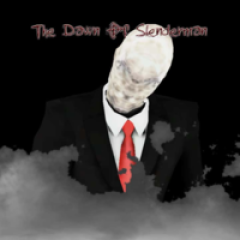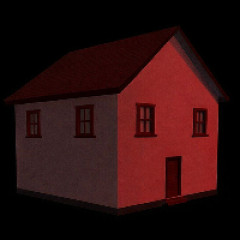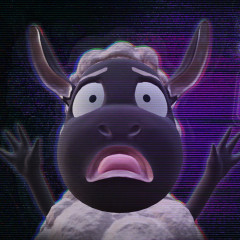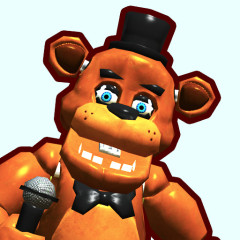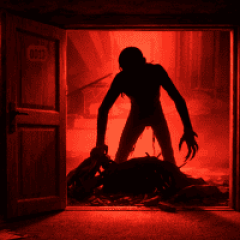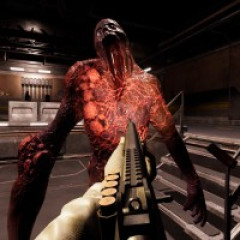
Late Night TV is an exciting horror game that puts you in a nearly barren room. Explore the eerie room, control the TV, and uncover what happens.
This game places you in a confined room and uses the television as the main source of mystery. The room is intentionally sparse. Its nearly barren appearance leaves plenty of space for your imagination to fill in the gaps. Rather than constantly presenting obvious threats, the game creates uneasiness through its atmosphere and the strange relationship between the television and the surrounding environment. The television itself becomes the central focus of your attention. Programs begin to unfold on the screen, and you are given opportunities to interact with what you see. The experience becomes more interesting as you realize that the television is not simply displaying a separate fictional world. Besides, you can take a look at Bad Ben and Ayuwoki, which are frightening horror games on our website.
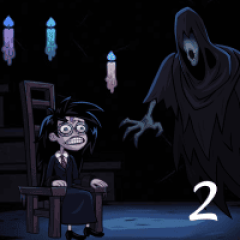
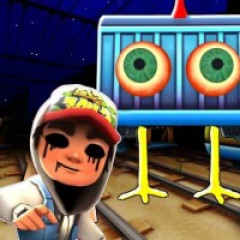
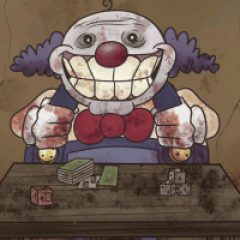
The gameplay in Late Night TV is relatively brief, but its unusual structure helps it stand out from conventional short horror games. Instead of filling the experience with a large number of locations or complicated mechanics, the game focuses on observation, interaction, and atmosphere. You move between the world outside the television and the events shown on the screen. This gives the experience two layers that gradually become connected. The first layer is the physical room. It provides the immediate setting and gives you a place to observe your surroundings. The second layer exists inside the television, where programs and characters become part of the unfolding horror.
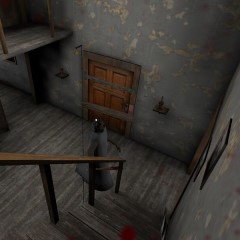
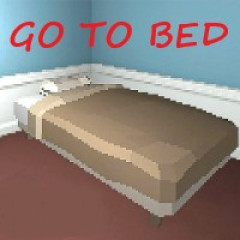
The room may initially appear almost empty, but that simplicity plays an important role in establishing the atmosphere. With fewer distractions, your attention naturally returns to the television and to small changes in your surroundings. Exploring the room gives you a chance to understand the environment beyond what is happening on the screen. It also reinforces the feeling that the television is somehow connected to the world you are standing in. The contrast between the ordinary setting and the supernatural elements is one of the game's more effective qualities. You are not immediately dropped into an obviously haunted mansion or abandoned facility. Instead, you begin in a place that feels almost mundane. That familiarity makes the strange moments more effective.
The instruction to keep your eyes on the TV is particularly important. The television is not simply background decoration. It is where much of the game's unusual activity takes place, and paying attention can help you understand how the different parts of the experience are connected. You can interact with events occurring inside the television, creating a strange sense of control. At the same time, the game encourages you to consider whether you really understand what you are controlling. This uncertainty is an important part of the horror. Rather than explaining every event directly, Late Night TV leaves some questions unanswered. You are given enough information to become curious, but not necessarily enough to completely explain everything you encounter.
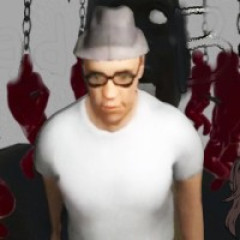
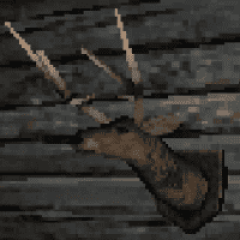
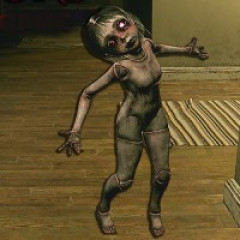
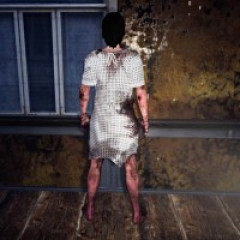
One of the strongest aspects of this free horror game is its presentation. The game uses an analog-inspired aesthetic combined with PSX-style graphics to create an intentionally dated visual appearance. At first glance, these visuals may look simple compared with modern horror games. However, that simplicity is part of the experience. Low-resolution textures, retro-inspired environments, and an old-school visual style can make familiar objects feel strangely unnatural. The PSX-style graphics give the game a nostalgic quality while simultaneously making its horror more unsettling. The visual style resembles an era of gaming where environments were less detailed, and characters could appear strangely rigid or distorted. That aesthetic is particularly effective for an analog horror experience because it creates visual uncertainty. You may recognize what you are looking at, but the limited presentation prevents everything from feeling completely natural. The result is a world that feels old, familiar, and slightly wrong.