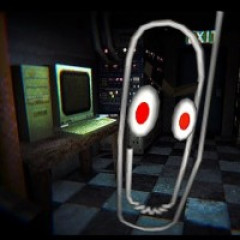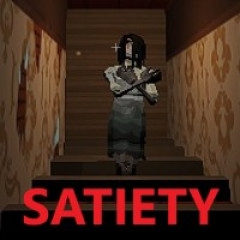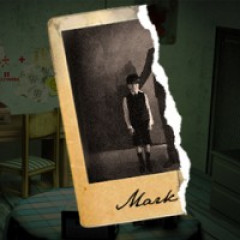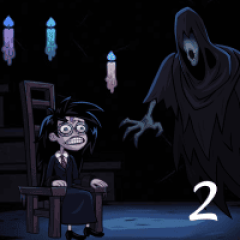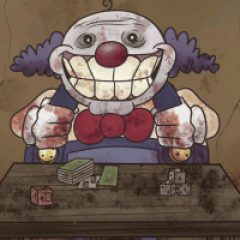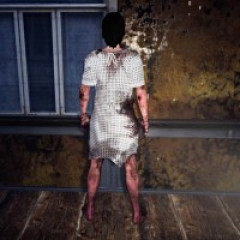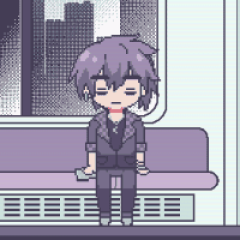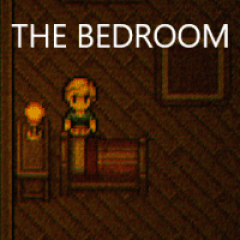
Explore the twisted world of Closing Doors now. Stand inside an elevator, close or open the doors, uncover dark secrets, and face your deepest fears.
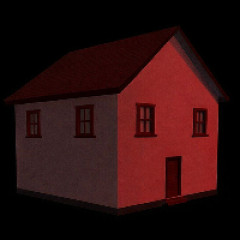
The emotional core of this game revolves around a father who believes he is responsible for his daughter's death. Rather than presenting horror as an external threat alone, the game connects the disturbing environment to his psychological state. Grief is represented through stages and emotional conflict, with denial playing an important role. The idea is simple but unsettling: denial can protect you from an unbearable reality, but it can also distort the way you perceive the world around you. This gives the strange events inside the house and elevator a deeper purpose. You are not simply exploring a haunted location. You are gradually confronting a character's guilt and the possibility that his surroundings reflect what he cannot accept. The question becomes less about what is hiding in the building and more about what the protagonist is trying to avoid facing.
You enter or remain inside an elevator, press the close button, wait for the doors to open, observe the new floor, and repeat the process. There is no complicated inventory system to master and no demanding combat mechanic. You are largely an observer moving through a sequence of increasingly disturbing situations. That limited interaction is intentional. Because you cannot simply attack whatever appears or sprint away from every strange encounter, you are forced to experience the environment at its own pace. The elevator doors become a boundary between what you know and what you are about to discover.
The elevator is more than a setting in this psychological game. It is the mechanism that controls the game's rhythm. Every time you press the button, you know something is about to happen. Yet you do not know exactly what. That creates a small period of anticipation between closing and reopening the doors. The waiting itself becomes uncomfortable. You might begin wondering whether the next floor will be empty or whether something will be standing there. This structure also makes even minor changes meaningful. A hallway that looks normal during one sequence may contain something disturbing the next time you see it. The elevator therefore acts as a repeated reset point. You return to the same basic action, but the result is never entirely predictable.
A major source of tension comes from the lack of conventional escape options. You cannot rely on fast movement, combat, or elaborate tools to solve every frightening situation. Instead, you have to wait. That passive role can be surprisingly effective because it removes the sense of control that many horror games give you. When you have a weapon, you may feel capable of confronting a threat. When you can run freely, you may feel that you can escape. This game takes much of that reassurance away. You press the button. The doors close. You wait. Then they open. Whatever happens next is something you have to face.
After spending much of the game becoming accustomed to its slow pace, the experience can suddenly shift. The repetition creates a sense of familiarity, and that familiarity makes the eventual scare more effective. You begin to understand the rhythm: close the doors, wait, watch the next floor, repeat. Once you feel comfortable with that pattern, the game can disrupt your expectations. This is where the restrained approach to horror pays off. Because Closing Doors does not constantly rely on jump scares, a sudden scare can have greater impact. You have spent time expecting subtle changes rather than an immediate shock. The contrast between slow psychological tension and a sudden payoff gives the ending its impact.
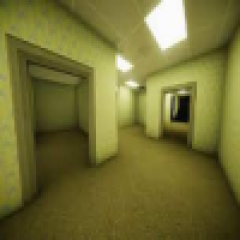
If you see something unusual, remember it. A door that was not there before, a figure standing at a distance, a stain on the floor, or a room that suddenly looks different may become significant later. The game rewards attention because its horror is often built around subtle changes rather than obvious threats.
It is easy to reduce a horror game to a search for the next scare. The Closing Doors game works better when you allow yourself to sit with the uncertainty. Ask yourself what is real, what may be a manifestation of guilt, and why the environment keeps changing. The less certain you feel about what is happening, the more effective the psychological elements become.