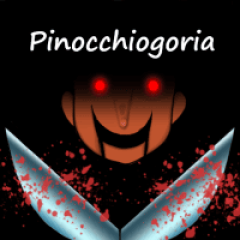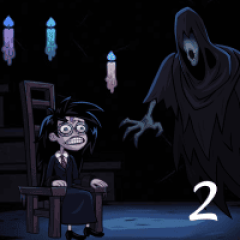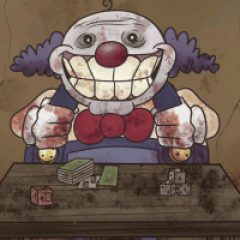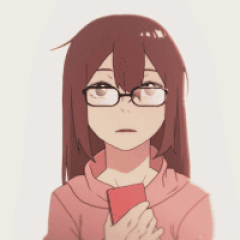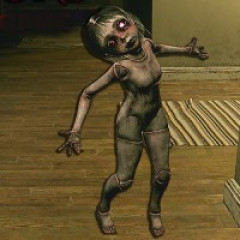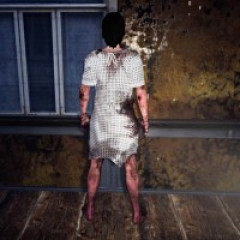
Step into the dark world of Pinocchiogoria now. Face a deadly puppet, uncover the dark truth behind Mia and Pinocchio, and unlock multiple endings.
Like Nasubi, this game also offers an interesting story. The tragedy begins when Gepetto's wife, Marissia, becomes pregnant. Gepetto believes that the birth will finally give him the family he has always wanted. Unfortunately, the delivery ends in disaster. Marissia dies while giving birth to twins, Mia and Pinocchio. Mia survives, but Pinocchio dies shortly afterward. For Gepetto, losing both his wife and son becomes an unbearable tragedy. Some years later, Gepetto creates a marionette representing Pinocchio. The puppet becomes more than a simple reminder of his dead child. His obsession eventually leads to consequences that affect Mia decades later. Thirty years after the original tragedy, Mia is a grown woman. During a stormy night, she becomes trapped in a nightmare involving her family and the puppet that represents her deceased brother. The central horror of Pinocchiogoria comes from the fact that the past has never truly disappeared. Gepetto's grief, Pinocchio's existence, and Mia's childhood trauma all return in a supernatural form.
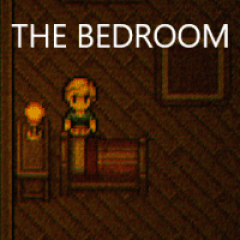
The gameplay in Pinocchiogoria is relatively straightforward. You control Mia as she moves through two-dimensional environments, interacts with objects, and examines elements of her surroundings. This structure works well for a horror story because exploration becomes part of the process of discovering what happened. Instead of simply receiving every piece of information through dialogue, you have to pay attention to the environment and the objects around Mia.
At the start of the game, you can select between three difficulty levels.
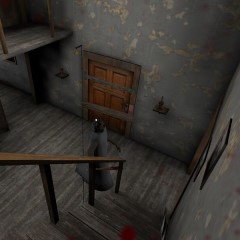
One of the most important missions in Pinocchiogoria is exploring Gepetto's house and finding a way to escape. You guide Mia through the dark two-dimensional environments while examining objects and searching for useful items, including the key needed to unlock the front door. What initially seems like a straightforward escape gradually becomes more unsettling as Mia discovers that the house is connected to her family's tragic past. Reaching the door does not necessarily mean the nightmare is over, as the choices you make afterward can lead to very different consequences. This part of the game combines exploration with story discovery, making every room and object feel potentially important.
Another significant mission involves Mia confronting Gepetto and Pinocchio as the situation becomes increasingly dangerous. At this stage, survival depends less on traditional combat and more on the decisions Mia makes when faced with her family. You can encounter situations involving the mysterious jewel, Gepetto's plans, and Pinocchio's disturbing presence, with your actions contributing to different endings. The mission becomes especially memorable because Mia's relationship with both characters is at the center of the conflict. Rather than simply defeating a conventional horror villain, you are forced to deal with a supernatural family tragedy that can end with escape, transformation, death, or a lasting curse.
Like Melissa Heart, this game also features multiple endings. Each ending presents a different conclusion to Mia's story and provides additional context about Gepetto, Pinocchio, and the supernatural forces surrounding them.
Below is an overview of the five endings based on the story information available for the game.
The first ending offers Mia a chance to escape Gepetto's house. Once she obtains the front door key, she can unlock the entrance and leave the house. The story then jumps forward to 1898, when an elderly Mia tells her granddaughter about what happened decades earlier. She explains that she escaped Gepetto's house and was later rescued by a handsome farmer. According to her story, she married him two weeks afterward. Her granddaughter asks what happened to Gepetto and her brother, but Mia chooses not to reveal the truth. Instead, she says that she never heard from them again. The peaceful conversation does not last. A knock comes from the door during the night, and Mia identifies it as a possible visitor. At this point, two choices become available.
The Past Always Come Back leads to a much darker conclusion. If Mia opens the door, Pinocchio appears carrying a large pair of scissors and kills both Mia and her granddaughter. Alternatively, Let's Ignore the Past allows Mia to intervene and prevent her granddaughter from opening the door. Mia pretends that nobody is inside, effectively refusing to let the past enter their lives again. This ending highlights one of the game's recurring ideas: escaping physically does not necessarily mean escaping the consequences of the past.
The second ending is significantly darker. Mia ultimately resigns herself to her fate, allowing Gepetto to take her soul for her mother along with the jewel. As a result, Mia becomes a puppet like her brother. This ending reflects Gepetto's obsession with recreating the family he lost. Mia's transformation represents the complete destruction of her independence, turning her into another object within Gepetto's distorted dream. The puppet imagery is particularly significant here. Pinocchio was originally created as a representation of Gepetto's dead son, while Mia's transformation means that she too becomes part of this unnatural attempt to preserve the past.
In Brotherly Love, Mia finds herself in immediate danger as Gepetto is about to kill her. She asks Pinocchio for help. Pinocchio responds by killing Gepetto, seemingly saving Mia from her father. However, the ending does not provide a straightforward happy conclusion. Mia and Pinocchio are later shown in bed, with blood visible around Mia's eyes. The scene strongly suggests that Mia has been killed. The ending is intentionally disturbing and ambiguous. It has been interpreted as implying an unhealthy or incestuous relationship between the twins, although the exact meaning depends on how the final imagery is understood. The phrase associated with this ending, "I LOVE MY SISTER!", reinforces the unsettling relationship between the two characters. Rather than becoming Mia's protector, Pinocchio ultimately contributes to her destruction.
In the Cursed ending, Mia steals the jewel from Gepetto and uses it to escape into another realm. At first, this appears to offer her a way out. However, the jewel comes with a terrible consequence. After using its power, Mia becomes cursed with a vampirism-like affliction. The curse does not simply affect her personally. It is also suggested that her descendants will suffer from the same supernatural condition in the future. This makes the ending particularly tragic because Mia escapes Gepetto's immediate control but cannot escape the consequences of the supernatural power she has used. The jewel therefore represents more than a method of escape. It becomes another source of suffering, showing that freedom obtained through dangerous supernatural forces can carry a price.
The final ending, Wasted Lives, takes an especially tragic direction. Mia chooses to kill herself in front of Gepetto and Pinocchio. Her death leaves Gepetto devastated, particularly because it suggests that his hopes of reviving his wife will never be fulfilled. The title Wasted Lives captures the destructive cycle surrounding the family. Marissia dies during childbirth, Pinocchio dies shortly afterward, Mia becomes trapped in the consequences of her family's tragedy, and Gepetto's inability to accept his losses ultimately contributes to further suffering. Rather than providing supernatural salvation, this ending emphasizes the devastating consequences of grief and obsession.
Pinocchiogoria places family tragedy and supernatural horror at the heart of its story. Released in 2023 by A. V. Dossow, the game follows Mia as she confronts the horrifying legacy of Gepetto and her supposedly deceased twin brother, Pinocchio. Its two-dimensional exploration mechanics are simple, but they support a story-focused experience where atmosphere, discoveries, and choices matter more than complex combat. The five endings give the story several possible outcomes, with each one revealing another consequence of the family's inability to escape its past. From Mia's attempted escape to the cursed jewel and the disturbing fate of the Brotherly Love ending, the game repeatedly returns to themes of grief, obsession, family, and the dangerous desire to bring back what has been lost. Ultimately, Pinocchiogoria takes a familiar fairy-tale foundation and turns it into a bleak horror story where the past refuses to stay buried. The result is a strange and unsettling game built around one disturbing question: what happens when someone becomes so desperate to restore their lost family that they are willing to destroy what remains of it?