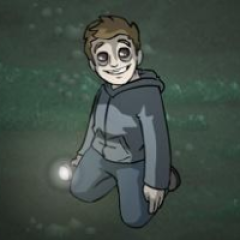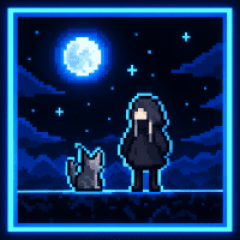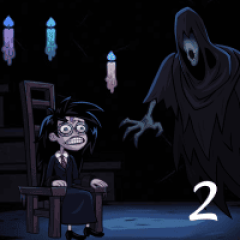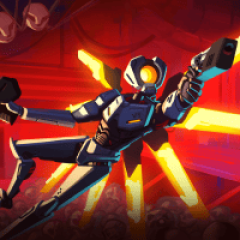
Slay the Princess is a psychological horror game featuring branching choices. Travel to a cabin in the woods and kill the Princess living in its basement.
The Narrator presents this objective as an absolute necessity. According to him, allowing the Princess to survive will bring about the end of the world. He expects you to follow the path, enter the cabin, and complete your mission without questioning the instructions. However, the game immediately introduces a competing perspective. The Voice of the Hero challenges the idea that killing a princess is the right thing to do. This disagreement establishes an important tension that continues throughout the experience. You are not simply choosing between two dialogue options. You are deciding what kind of person you want to be in a situation where the truth remains uncertain. Besides, take a look at After Hours and CreepyDates, which are also amazing games on our website.
The main mission in this game is to follow a path through the woods to a remote cabin, where a Princess is imprisoned in the basement. Your primary objective is to slay her before she can escape, as the Narrator warns that freeing her will bring about the end of the world. However, the Princess will do everything she can to convince you otherwise, using charm, promises, deception, and even violence to influence your decisions. As you explore the cabin, interact with her, and make choices, your actions shape the story and determine which paths, encounters, and endings you experience. The central challenge is deciding whether to trust the Narrator, believe the Princess, or question the mission itself as the mystery surrounding your purpose gradually unfolds.
The main story is organized into three chapters, each contributing to the larger narrative in a different way. Although every new game begins with Chapter I, subsequent chapters can change dramatically according to the decisions you make. This structure gives Slay the Princess considerable replay value. Returning to the beginning does not necessarily mean experiencing the same story again.
Chapter I introduces the central mission and the characters who shape your understanding of it.
You begin on a path through the woods. The Narrator explains that the Princess must die, while the Voice of the Hero questions the morality of the task. When you reach the cabin, you can explore the interior and decide whether to take the Pristine Blade. Eventually, you must confront the Princess in the basement. Your behavior during this encounter determines how the story develops. The Princess reacts to your decisions, and the relationship between the two of you can take several different directions. Unless you achieve the Good Ending, Chapter I generally concludes with your death and leads into Chapter II. This outcome introduces one of the game's defining narrative ideas: death does not necessarily mean that your story is over.
After Chapter I, you return to the path through the woods. The Narrator behaves as though nothing unusual has happened. He does not remember your previous encounter and insists that this is your first visit.
You, however, remember what happened. More importantly, the Princess remembers too. Chapter II changes the relationship between the characters and the environment. The cabin's interior now reflects the Princess you encounter, and she may appear in a completely different form depending on your earlier choices. There are ten versions of Chapter II, offering a wide range of narrative situations. You will also encounter a new voice in your head based on how you interacted with the Princess during Chapter I. The Voice of the Hero remains part of the experience, but the additional voice introduces another perspective into your internal conflict. This chapter is particularly important because it demonstrates how your previous decisions shape future possibilities. Once you enter a particular Chapter II route, you cannot encounter that same Princess again during the same playthrough. Choices that would lead back to an already visited route may become unavailable or produce a response telling you to change your course.
Chapter III takes the transformation even further. By this point, even the woods surrounding the cabin may look unfamiliar.
Some Chapter II endings lead directly to Chapter III, while others conclude the route. There are also special possibilities involving an Epilogue or an extended sequence of chapters. The Princess continues to change according to the path you have taken. Her different forms introduce new conflicts, challenges, and opportunities to reconsider your previous decisions. Like Chapter II, a Chapter III route cannot be revisited within the same playthrough once you have entered it, even if you abandon the route. Most Chapter III completions conclude the current route, with the Razor being an exception to this structure. These restrictions make each decision feel important. You cannot simply explore every possible outcome in one uninterrupted sequence. You must consider what you have already experienced and understand that some opportunities will disappear once you commit to a particular direction.
At the heart of Slay the Princess is a branching dialogue system where what you say and what you believe influence both your identity and the narrative.
You are not expected to approach every situation in the same way. The game gives you opportunities to challenge the Narrator, negotiate with the Princess, use the blade, refuse violence, or follow unexpected paths.
The Pristine Blade is introduced early in Chapter I, but its significance extends beyond the opening encounter.
Picking it up or leaving it on the table can change the Princess's attitude toward you. It also influences how certain routes develop.
Throughout the story, the blade can represent different intentions depending on the context. You may use it as a weapon, reject it as a symbol of aggression, or make decisions that completely change its meaning within a particular encounter.
Your relationship with the Princess is not determined by one decision alone. However, the blade provides an early opportunity to establish the direction of your interaction.
One of the defining features of the game is the way the Princess changes according to your choices.
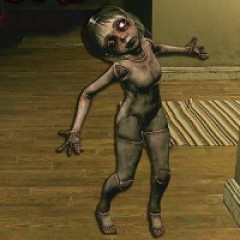
Rather than presenting a fixed character with one personality and appearance, Slay the Princess explores multiple versions of her through its branching chapters. These transformations include the Adversary, the Tower, the Beast, the Witch, the Eye of the Needle, the Apotheosis, the Fury, the Den, the Thorn, and the Wild. Each version creates a distinct narrative situation. For example, the Adversary centers on rivalry and confrontation, while the Tower introduces themes of dominance and submission. The Beast explores instinct and survival, whereas the Witch develops around suspicion and betrayal. The Thorn examines trust and emotional vulnerability. Meanwhile, the Apotheosis introduces a more dramatic encounter involving divine power.
As the story progresses, additional voices may join the Voice of the Hero.
These voices are connected to your previous interactions with the Princess and provide different perspectives on the situations you encounter. They can disagree with one another, challenge your assumptions, encourage certain actions, or question your intentions. This internal dialogue adds another layer to the roleplaying experience. You are not only responding to the Princess and the Narrator. You must also navigate the conflicting opinions within your own mind. The voices help make each route feel distinct while reinforcing the central themes of identity and perception.
Slay the Princess distinguishes itself visually and acoustically through its carefully developed presentation.
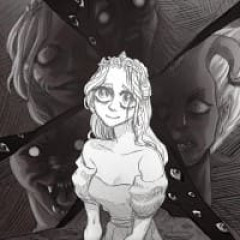
Instead of relying on conventional game artwork, its backgrounds and character sprites are traditionally drawn using pencil and paper.
Every background and sprite is hand-penciled by Abby Howard, an Ignatz-winning graphic novelist.
This artistic approach gives the game a distinctive visual identity. The illustrations contribute directly to its psychological horror atmosphere, creating a presentation that feels expressive and deliberately crafted.
The different Princess forms also benefit from this approach. As the narrative changes, the artwork helps communicate the emotional and psychological differences between encounters.
The cabin, woods, and surrounding environments become part of the storytelling rather than serving merely as decorative backgrounds.
The game features full voice acting by Jonathan Sims and Nichole Goodnight.
Their performances help bring the dialogue and character interactions to life. This is particularly important in a story where conversations, disagreements, and conflicting perspectives form such a large part of the experience.
The Narrator's instructions, the voices in your head, and the Princess's responses all contribute to the tension surrounding your decisions.
Voice acting makes these interactions more immediate and helps establish the atmosphere of uncertainty that defines the adventure.
This choice-driven game includes a substantial achievement system that rewards exploration of its different narrative possibilities. These achievements encourage you to revisit routes, experiment with dialogue, and discover outcomes that may not appear during a straightforward playthrough.