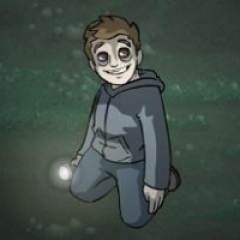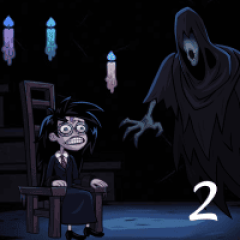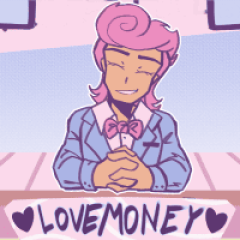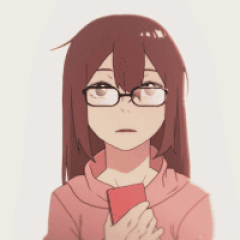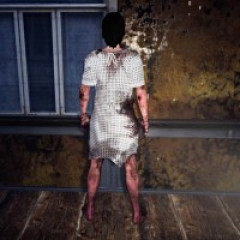
Discover Cold Front, which is a horror RPG game with a mysterious story. Uncover Augustine and Winnie's secrets, escape terrifying pursuits, and make choices.
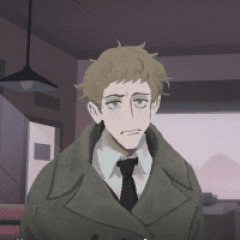
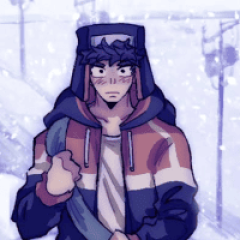
Like Trapped with Jester, this game also offers an engaging storyline. Augustine and Winnie have shared much of their lives, but their friendship has become complicated by comparison and resentment. Winnie appears to be moving forward, gaining opportunities and popularity, while Augustine struggles with the feeling that he is being left behind. Winnie's acceptance to university makes their separation more than a temporary change in routine. It represents a turning point that Augustine may not be emotionally prepared to accept. This tension gives the story a personal foundation before the horror intensifies. You are not simply following two characters trying to escape a dangerous situation. You are also witnessing a friendship shaped by years of unspoken emotions. As the events grow stranger, the distinction between external danger and internal conflict becomes increasingly important.
The gameplay in Cold Front combines visual novel storytelling with adventure elements. You follow the narrative, explore interactive environments, and make decisions that influence how the story develops. Exploration matters because interactive objects can provide useful information or help you understand the situation. Instead of moving through every area without stopping, you should pay attention to objects that stand out and investigate them when possible. The game also includes pursuit sequences that require you to navigate while dealing with immediate danger. These moments introduce a different rhythm from the dialogue-focused sections, asking you to pay attention to your route rather than concentrating exclusively on the story.
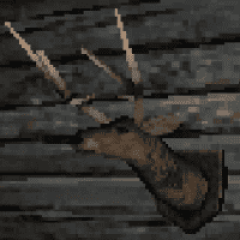
During exploration, look for interactive objects instead of assuming that every item is merely decorative. The elk symbol and items inside the house are examples of details worth investigating early. Taking time to examine these elements can help you engage more fully with the environment and avoid overlooking important interactions. A useful approach is to inspect objects that appear unusual, prominent, or connected to the surroundings. If you enter a house or another unfamiliar area, look around carefully before moving on. This habit is especially valuable in narrative-driven horror games, where the environment can contribute to the story in ways that are not immediately obvious.
Cold Front includes sequences in which you must escape or move while being pursued. These sections can be disorienting, particularly when you are unsure which direction to take. One practical tip is to stand still briefly before moving again. This pause can help you reorient yourself on the map and decide where to go next. Rather than rushing in a random direction, use the moment to check your position and reconsider your route. A short pause can make it easier to navigate the area without losing track of your intended path. This technique is particularly useful when the pressure of a pursuit makes it difficult to think clearly. Staying aware of your surroundings is more helpful than moving continuously without a plan.
Like Blackout, this game also has multiple endings. You can unlock two endings, and your choice during a crucial scene determines which one you receive. The important decision is whether Augustine pushes Winnie down the stairs. Choosing to do so leads to one conclusion, while refusing to push him opens the path to the other. Both endings connect the frightening events to the characters' real-life circumstances, but they offer very different outcomes for the friendship.
If you choose to push Winnie down the stairs, the story eventually reveals that Augustine and Winnie were involved in a car crash. Augustine slowly wakes up in the overturned vehicle from the beginning of the game. The revelation explains that the accident caused both characters to lose consciousness, leading into the main events of the story. Winnie died at the scene of the crash, while Augustine survived. The ending portrays Augustine as moving forward with his life in a strangely peaceful state rather than experiencing the sadness and regret that might be expected after losing a lifelong friend. The outcome suggests that Augustine feels liberated from a relationship he had come to view as painful and restrictive. However, that apparent freedom comes at the cost of Winnie's life and the possibility of resolving their conflict. After the final cutscene, the credits roll. This ending is unsettling because it does not offer a conventional sense of closure. Augustine's peace stands in sharp contrast to the tragedy that has occurred, leaving you to consider the meaning of his resentment and the consequences of his final decision.
If you decide not to push Winnie down the stairs, the story takes a different direction. Winnie notices that Augustine has become disconnected from reality because of his fears. Instead of allowing the situation to deteriorate, he starts an honest conversation that gives Augustine space to express his bottled-up emotions. Augustine explains his jealousy, his belief that Winnie has taken his place in various aspects of life, and his fear that Winnie intends to leave him behind now that he has become more popular. The conversation allows both characters to reconnect. They begin to understand each other more clearly and rebuild the friendship they have shared since childhood. Together, they decide to confront the monster that has been tormenting them since they left the car. According to Winnie's interpretation, the creature represents their trauma and regret, drawing them into their deepest memories during a near-death experience.
After defeating the monster, both characters wake up in the overturned car. This time, Winnie is alive, while Augustine has fractured his left leg. Although the crash has left them with serious consequences, they can finally move forward honestly and happily. Winnie still has to leave for university, but their relationship no longer depends on hiding difficult feelings or allowing jealousy to control their decisions. This ending offers a more hopeful conclusion because the characters acknowledge their problems instead of allowing resentment to define their future.
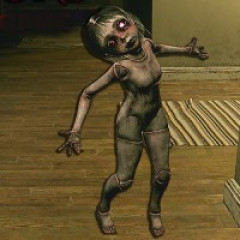
The monster is one of the story's central horror elements, but its significance extends beyond being a threat to the characters. In the ending where Augustine and Winnie reconcile, Winnie interprets the creature as a representation of their trauma and regret. Their encounter with it is connected to the deepest memories and unresolved feelings that have shaped their relationship. This interpretation gives the horror a psychological dimension. The creature can be understood as an external expression of the fear, guilt, and emotional pain that the characters have struggled to confront. The monster's role connects the survival elements to the story's emotional conflict. Augustine and Winnie cannot fully resolve their situation simply by escaping the environment. They must also face the issues that have divided them. Their decision to confront the creature together reflects the change in their relationship. Rather than acting against each other, they cooperate toward a shared goal.
If you want to understand the story and experience both possible conclusions, a careful approach to exploration and decision-making can help.
Investigate interactive objects, including the elk symbol and items inside the house. These details are specifically worth checking early, so avoid rushing through areas without examining what is available.
If you become disoriented while being chased, stand still briefly to reorient your path on the map. Once you understand your position, continue moving with a clearer direction in mind.
The choice about pushing Winnie down the stairs determines which of the two endings you experience. Consider Augustine's relationship with Winnie and the emotions that have driven their conflict before making your decision. If you want to see both conclusions, you can approach the story again and choose the alternative option.