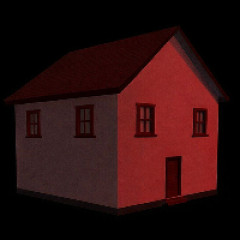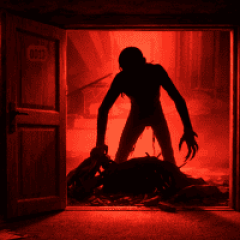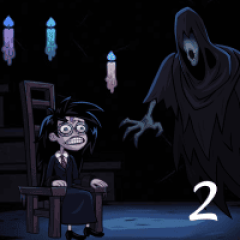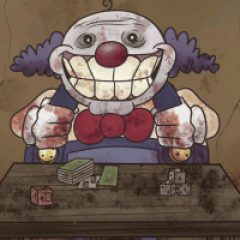
Go To Bed is a scary indie horror game where every choice matters. Lock doors, close windows, set alarms to stop monsters from sneaking into your house.
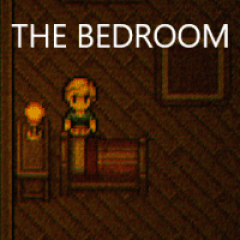
In this game, you begin in a bedroom that appears relatively normal and safe. Your objective seems straightforward: complete the necessary tasks and get into bed. However, the game quickly establishes that you should not treat these instructions casually. Locking a door, closing a window, or turning on an alarm might sound like routine chores, but each action becomes part of the survival challenge. The game encourages you to pay attention to what appears on screen and follow the instructions carefully. There is no need to learn a complicated control scheme before you can start. Instead, the difficulty comes from understanding what the game is asking you to do and recognizing the importance of seemingly minor details. Besides, I recommend Midnight and Doors Castle, which are also frightening horror games on our website.
The core Go To Bed gameplay revolves around completing a series of tasks before you can safely finish your night. These tasks include familiar actions such as locking doors, shutting windows, and switching on alarms. On paper, these objectives sound simple. In practice, the horror atmosphere makes each one feel more important. The game asks you to approach your surroundings with greater awareness. You need to pay attention to the instructions, identify what needs to be done, and avoid assuming that you can simply rush through the sequence.
One of the key parts of the bedtime routine involves making sure the room is secure. Locking doors is a normal precaution, but within the context of this game, it becomes a meaningful part of your survival. You need to take the instructions seriously rather than treating them as background information. Missing a security-related task can have consequences, which encourages you to double-check what you have already completed. The bedroom may look ordinary, but the game constantly challenges your assumption that you are safe.
Windows are another part of the routine that requires your attention. Closing them may seem like an obvious step, but the game's design makes ordinary actions feel significant. This is where the text-based prompts become especially important. You need to read what the game tells you and respond accordingly. If you ignore a prompt because it appears unimportant, you may discover later that the detail mattered. The experience therefore rewards patience. Taking a few extra moments to inspect the room and understand your instructions can make a difference.
The alarm is another familiar part of the routine. In everyday life, setting an alarm is simply a practical habit. In Go To Bed, however, even this ordinary action contributes to the growing feeling that something is not quite right. The game uses these simple tasks to build tension gradually. Instead of presenting you with an obvious threat immediately, it allows your imagination to fill in the gaps. That restraint is one reason the horror can feel more psychological than action-oriented.
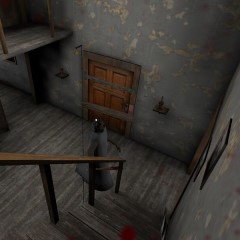
One of the most interesting elements of Go To Bed is the way the final level changes the setting and expands the story. For much of the experience, the bedroom serves as your main environment. It is the place where you complete your routine and attempt to stay safe. By the final level, however, you are pushed beyond the bedroom and into a new setting. This transition makes the game feel less predictable. The change also gives earlier decisions greater significance because choices made during the previous stages can affect the outcome. Instead of treating every level as an isolated challenge, the game connects your actions across the experience.
Although the game is short, approaching it carefully can improve your experience and help you avoid unnecessary mistakes.
Go To Bed focuses more on tension than complicated gameplay. Its greatest strength is the contrast between its ordinary premise and unsettling execution. Going to bed is something familiar, predictable, and safe. The game takes that routine and slowly transforms it into a situation where every action deserves your attention. The Go To Bed horror game also benefits from its concise structure. It does not overstay its welcome. Instead, it builds tension around a handful of simple tasks before delivering a change of setting that gives the final level additional impact. The combination of careful observation, psychological tension, and consequences makes the experience more memorable than its simple premise might suggest. If you enjoy short horror games, indie horror games, psychological horror, or atmosphere-heavy experiences, Go To Bed is worth adding to your list. It offers a straightforward challenge while leaving enough uncertainty for your imagination to do much of the work.