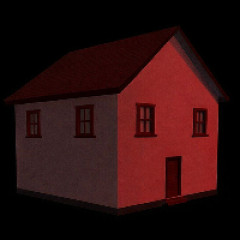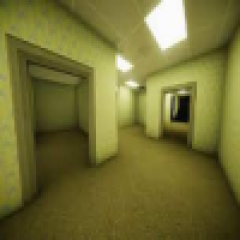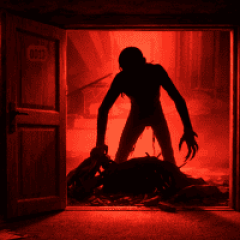
Play Bad Ben and explore a haunted house. This horror game requires you to find the keys, restore the power, uncover the truth, and survive the night.
After arriving, Tom is instructed to inspect the home's security system. Your first major task is to explore the first floor and locate a tablet. The tablet can be found on the dining table. Once you get close enough, you can pick it up. After obtaining it, access the security system displayed on the tablet. This becomes an important part of the early investigation because you need to make sure the cameras around the house are functioning properly. Rather than completing everything from one location, you need to physically move through the house and inspect the designated areas. The first floor contains eight areas:
You need to check these areas before the story allows you to progress upstairs. This creates a simple but effective exploration loop: receive an objective, search the house, confirm each location, and then move forward.
Once the first-floor inspection is complete, you can head upstairs. The second floor continues the same investigative structure, requiring you to examine the available rooms before the story moves toward the basement. At first, the process may seem routine. You are simply following instructions and learning the layout. However, the atmosphere gradually changes as paranormal events begin interfering with your investigation. The game uses these interruptions to make exploration less predictable. You may enter an area expecting to complete another routine task only to discover that something has changed. That contrast between ordinary exploration and supernatural activity is one of the main sources of tension in the Bad Ben game.
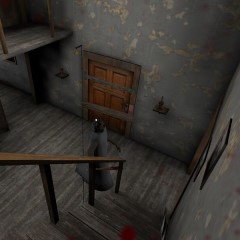
Eventually, your investigation leads you toward the basement. There is only one problem: the basement door is locked. This is where Bad Ben leans into its fetch-quest structure. You cannot simply walk into the basement and continue the story. You have to search the house for the correct key. You first visit the apartment office, where a key can be found on the table. It seems like an important discovery, but it turns out not to be the key you need. This is an important detail because the game does not make every item an immediate solution. Finding a key does not automatically mean you have solved the problem.
Besides, you can take a look at Satiety and Sleep Paralysis, which are frightening horror games on our website.
The setting of this indie game is deliberately familiar. You are not wandering through a huge fantasy world or an abandoned city. You are exploring a house with recognizable spaces such as a foyer, bedroom, living room, office, kitchen, dining room, and family room. That familiarity works well for horror because you gradually learn the layout. Once you know where everything is, returning to the same location should feel comfortable. In Bad Ben, however, familiarity can work against you. A room that appeared harmless earlier may become unsettling after an unexpected event. An object can appear where you did not expect it. A previously inaccessible area can become important later. The house may look the same, but your understanding of it keeps changing.
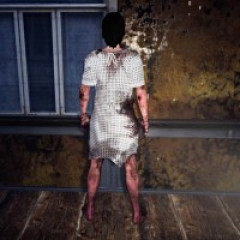
One of the defining aspects of Bad Ben gameplay is its third-person viewpoint. You control Tom while seeing his character on screen, which creates an unusual relationship between you and the environment. You can watch Tom approach a doorway or move around a corner, but the camera cannot always show everything that might be waiting outside your immediate view. That uncertainty creates tension without requiring constant action. The effect becomes particularly strong when you know something strange has happened but cannot immediately identify its source. Instead of simply reacting to a monster jumping onto the screen, you may spend several seconds wondering whether the next hallway is safe.