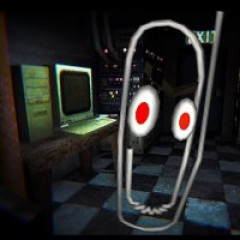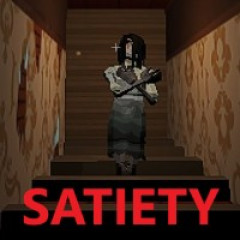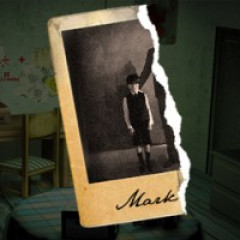
Elevator Hitch is an epic horror adventure game with escape room mechanics. Guide two co-workers to enter an elevator and attempt to reach your destination.
Its central setting is a seemingly normal office elevator with a distinctly 1970s atmosphere. Although the environment initially appears ordinary, the situation quickly becomes increasingly surreal. The story follows Protag, a nameless character preparing to attend a job interview. On his way to the interview, he enters an office building's elevator. Shortly afterward, another employee, known as Co-Worker, joins him and selects the highest floor. Neither expects anything unusual to happen. However, their journey takes an unexpected turn when the elevator becomes completely blocked, preventing them from reaching their intended destinations. The only apparent way forward is to investigate the floors accessible through the elevator.
As you progress, the elevator becomes a connection point between several unsettling locations. Instead of ordinary office spaces, each floor contains an unusual environment with its own visual identity, interactive objects, and potential dangers. Some locations resemble familiar rooms but contain details that feel deeply wrong. Others introduce entirely unexpected environments, including a dark room concealing something enormous, a hazardous radioactive area, and a mirrored version of the elevator itself. The game's environments draw on visual ideas associated with liminal spaces, Weirdcore, and Backrooms-style horror. These aesthetics create a sense of isolation and uncertainty, making even seemingly harmless locations feel threatening. You never know what awaits behind the next elevator door. A small room might contain an important item, while an apparently harmless object could trigger an unexpected death sequence.
The relationship between Protag and Co-Worker is an important part of the experience. Although both characters are trapped in the same elevator, their personalities and reactions to the situation are noticeably different. Protag must investigate the environment, interact with objects, and make decisions that determine how the story develops. Meanwhile, Co-Worker provides dialogue, reactions, and occasional assistance that can become essential to solving particular puzzles. Their interactions also contribute to the game's unsettling atmosphere. You gradually discover that understanding your companion may be just as important as understanding the mysterious building.
At its core, Elevator Hitch gameplay revolves around exploring interconnected environments and finding the items required to progress. The controls and interactions are built around a point-and-click system, allowing you to examine objects, investigate suspicious locations, collect useful resources, and select dialogue options. The game does not rely exclusively on conventional puzzles. Instead, it combines environmental clues, inventory management, character interactions, and choices with potentially dangerous consequences. You must pay attention to seemingly insignificant details because an object that appears unimportant in one location may become essential several floors later.
The building contains nine numbered floors, each presenting a different challenge or narrative discovery.
Each floor introduces a different atmosphere and set of challenges. Some require careful exploration, while others test your ability to understand clues and make decisions under pressure.
Inventory management is one of the most important aspects of Elevator Hitch. Several puzzles require you to collect objects from one floor and use them somewhere else. For example, the burnt cigarette found in the sixth-floor office can help you convince Co-Worker to hand over his lighter. This lighter is necessary to illuminate the dark environment on Floor 3. However, illumination alone is not enough. You must also obtain a cake from the office cubicle, locate a sleeping pill in the bedroom, and combine both objects to create a drugged cake. This item can then be used to put the enormous mouth on Floor 3 to sleep, allowing you to retrieve the CD trapped between its teeth.
Other important objects include:
These interconnected objects encourage you to remember previous discoveries rather than approach every floor as an isolated puzzle.
Like Dead Plate, this game also features multiple endings. You can unlock 15 endings. Your decisions, interactions, and puzzle-solving abilities influence how the story unfolds. Some endings occur when you make an incorrect choice, while others require specific actions or combinations of items. This structure gives the game considerable replay value, especially if you want to discover everything hidden within the building.
The game frequently uses its environments to punish careless exploration.
These situations make observation and preparation essential. Rather than clicking everything immediately, you should examine the environment, consider the available clues, and think about the possible consequences of each action.
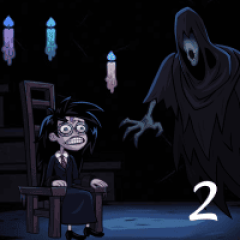
The ninth floor represents the culmination of Protag's journey. Unlike the other locations, it resembles an open blue sky with a floating chair and a monochromatic man in a suit.
This mysterious character, identified as NORMAL GUY in the game's files, conducts an interview that determines Protag's final outcome.
The interview is more than a conventional conversation. Its questions connect to themes of employment, personal value, and replaceability that appear throughout the adventure. Your answers determine whether Protag receives the opportunity to join the company or meets another horrifying fate. Successfully completing the interview with at least four correct answers allows you to obtain the lobby key. You can then return to the elevator, unlock Floor 1, and finally attempt to leave the building. However, even reaching the lobby does not necessarily mean your troubles are over. The Escape ending introduces another unsettling encounter that adds an unexpected complication to what initially appears to be a happy conclusion.
Like Lone Survivor, this game also stands out through its unusual approach to horror. Rather than depending entirely on jump scares or constant enemy encounters, it builds tension through unfamiliar environments, strange interactions, disturbing imagery, and the feeling that something is fundamentally wrong.
The visual design draws inspiration from the unsettling appeal of liminal spaces. These are environments that feel transitional or familiar but become uncomfortable when presented without their usual context. An empty office cubicle, a plain white room, or an ordinary elevator can become surprisingly disturbing when surrounded by strange details and unexpected events. Fans of Weirdcore aesthetics and Backrooms-inspired horror may appreciate the game's use of familiar spaces transformed into surreal environments. The contrast between the ordinary appearance of certain rooms and the disturbing events taking place inside them creates much of the game's atmosphere.
The narrative also explores uncomfortable themes through its environments and interactions.
Floor 4, for example, appears to represent Protag's childhood bedroom. The presence of a sleeping pill and the threatening voices outside the room suggest a troubling relationship with his past, although some interpretations remain open to speculation.
Meanwhile, the interview on Floor 9 brings the story back to its original premise: Protag simply wants to attend a job interview and find employment.