Icey is a fast‑paced 2D action game where you slash through robotic foes and explore mysterious worlds. Fight bosses and discover hidden story twists.
Icey blends fast hack‑and‑slash combat with meta‑narrative twists that reward skill, timing, and creative play.
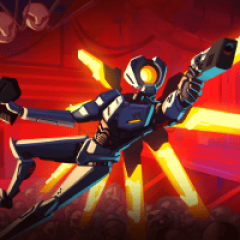
At first glance, ICEY looks like a sleek 2D action game built around speed, sword attacks, and futuristic enemies. Players control a mysterious female cyborg moving through a cold sci-fi world filled with robots, traps, and powerful bosses. The goal seems simple: follow the path, defeat enemies, and move closer to Judas, the main target behind the chaos.
But the game does not stay simple for long. What begins as a stylish hack-and-slash experience slowly turns into something stranger and more memorable. Instead of only testing your reflexes, the game starts testing how much you trust instructions.
The combat is quick, clean, and satisfying. You can slash through enemies, chain attacks, dash away from danger, and keep moving without feeling slowed down by complicated controls. This makes the game easy to enter, even for players who are not hardcore action fans.
The fun comes from timing. A well-placed dash can save you from damage, while a fast combo can clear enemies before they surround you. The action feels sharp enough to keep each encounter exciting.
The game's visual style supports its fast pace. Dark backgrounds, glowing effects, robotic enemies, and smooth animations give every stage a polished cyber-action feeling. The world does not waste time with too much explanation. Instead, it pushes you forward and lets the atmosphere speak through movement, combat, and mystery.
One of the most interesting parts of ICEY is the narrator. In many games, a narrator simply guides the player. Here, the narrator becomes part of the experience. He tells you where to go, what to do, and how to continue the story. At first, following him feels natural. Then the game quietly invites you to do the opposite.
If you follow the narrator's instructions, you can play the game like a normal action adventure. You move from one area to the next, fight enemies, and progress through the main route. This version of the game is still enjoyable because the combat is smooth and the pacing is strong. However, this is only one layer of the experience.
The real personality appears when you ignore the narrator. Walk the wrong way, refuse obvious directions, or explore places you are not supposed to visit, and the game begins to react. The narrator may become confused, annoyed, or even angry.
This fourth-wall-breaking design makes the player feel involved in something beyond a normal mission. You are not just controlling a character; you are challenging the rules of the game itself.